
Knee pain has a sneaky way of creeping into your daily life. It might start as a faint dull ache when you climb the stairs to your flat, or perhaps a sharp twinge when you stand up after a long lunch. Many people brush off these early warning signs, assuming that rest and a few painkillers will solve the problem. However, ignoring persistent knee discomfort often allows minor joint issues to escalate into chronic mobility problems.
Knowing when to seek professional intervention makes all the difference in your recovery journey. By opting for targeted physiotherapy for knee pain in Singapore, you address the root cause of your joint discomfort rather than just masking the symptoms.
Spotting the Red Flags Before They Stop You Cold
How do you know when your knee pain moves from a temporary annoyance to a condition that requires professional rehabilitation? Pain that persists for more than a few days, especially after light activity, demands attention.
You should consult a therapist if you notice swelling around the joint, stiffness that lasts long into the morning, or a popping sensation during movement. Furthermore, if your knee feels unstable, buckles under your body weight, or prevents you from walking comfortably, you must take action immediately.
| Symptom Stage | Typical Warning Signs | Recommended Action |
| Mild Discomfort | Occasional stiffness after sitting, minor aching after exercise | Rest, gentle stretching, and monitoring |
| Moderate Pain | Persistent swelling, sharp pain on stairs, clicking joints | Targeted assessment and guided exercise routines |
| Severe Impairment | Joint buckling, inability to bear weight, constant night pain | Urgent professional treatment and mobility intervention |
Seeking physiotherapy for knee pain in Singapore early prevents minor tissue inflammation from turning into long-term cartilage wear or muscle imbalance.
Overcoming Singapore’s Urban Physical Demands
Singapore’s fast-paced, urban environment places unique demands on our joints every day. From navigating steep MRT escalators and concrete pavement to walking long distances through sprawling shopping malls, our knees endure constant impact.
High humidity and air-conditioned indoor spaces can also aggravate joint stiffness for many residents. When muscle imbalances or poor foot alignment exist, everyday urban walking accelerates joint wear.
A qualified therapist analyses your walking pattern, assesses your muscle strength, and designs exercises tailored to your urban routine. Rebalancing the muscles around your thigh and hip reduces pressure on your knee joint, allowing you to navigate Singapore’s concrete pathways comfortably.
Recovering Comfortably Without the Travel Hassle
When moving your knee feels painful, travelling across town to a medical facility often feels daunting. Sitting in traffic or taking public transport can irritate an already inflamed joint, leaving you exhausted before your therapy session even starts.
This is where personalised in-home therapy offers a game-changing solution. Receiving professional treatment directly in your residence removes the physical stress of travel entirely.
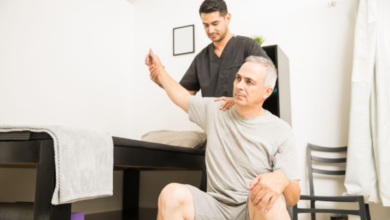
Your therapist assesses how you move within your actual living space, guiding you through exercises on your own furniture. Choosing in-home therapy ensures that you receive high-quality care in a relaxing, comfortable environment that speeds up your overall recovery.
Taking Back Control of Your Daily Mobility
Knee pain should never dictate your lifestyle or force you to give up the activities you love. Whether you want to resume morning jogs, play with your children, or simply walk through your workday without pain, targeted therapy provides a clear road to recovery.
Addressing knee issues proactively restores your strength, rebuilds your confidence, and keeps you moving freely. Taking action today protects your joints for the future and helps you maintain an active, independent life.
Frequently Asked Questions
How many physiotherapy sessions will I need for my knee pain?
The number of sessions depends on the cause and severity of your knee condition, but most patients notice significant improvement within four to six structured sessions.
Do I need a doctor’s referral to start physiotherapy in Singapore?
No, you can access private therapy directly without a doctor’s referral, though having medical imaging reports like X-rays or MRIs helps your therapist design a precise treatment plan.
Can physiotherapy help avoid knee surgery?
In many cases of mild to moderate cartilage wear, ligament strain, or arthritis, targeted physical rehabilitation strengthens supporting muscles enough to reduce pain and delay or prevent surgery.
Don’t let knee pain slow your life down. Contact The Home Physio today to schedule your consultation and step toward a pain-free future.