
-

Knee pain has a sneaky way of creeping into your daily life. It might start as a faint dull ache when you climb the stairs to your flat, or perhaps a sharp twinge when you stand up after a long lunch. Many people brush off these early warning signs, assuming that rest and a few painkillers will solve the problem. However, ignoring persistent knee discomfort often allows minor joint issues to escalate into chronic mobility…
-

Core Takeaways for Your Recovery Recovery depends on tear severity, individual activity levels, and overall health. Non-surgical care focuses on pain relief, rest, and targeted physiotherapy. Surgical repair reattaches torn tendons to bone using permanent suture anchors. Structured rehabilitation restores strength, flexibility, and daily shoulder function. Understanding Your Shoulder After an Injury A rotator cuff injury can turn simple daily tasks into frustrating challenges. Reaching for a high shelf, getting dressed, or even sleeping comfortably…
-
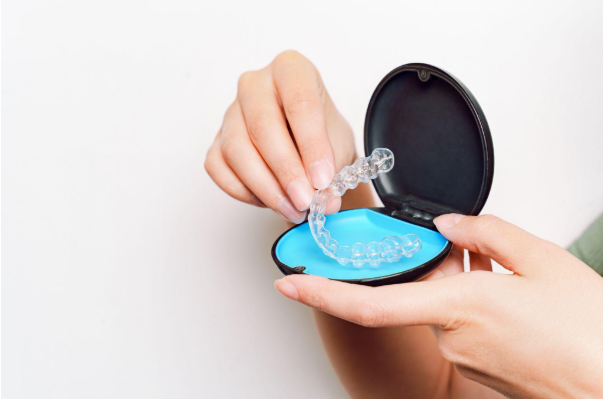
Key Highlights: Wearing your retainer consistently prevents teeth from gradually shifting back. Cleaning retainers daily stops bacteria and odour from building up over time. Invisible dental braces still need the same nightly retainer follow-up routine. Avoiding hot drinks with retainers in helps prevent warping or discolouration. Regular check-ups help catch small shifts before they become bigger problems. Life After Braces: What Comes Next Getting your braces off is a bit of a milestone, but the…
-

Coordinating Two Care Pathways Before the Cycle Begins Couples exploring TCM fertility treatment in Singapore alongside an IVF cycle often arrive at the decision late, sometimes only weeks before stimulation begins, which limits what can realistically be coordinated. Both pathways have their own timelines and protocols, and the practical work of integrating them sits largely with the couple rather than with either practitioner. Taking a few preparatory steps before the cycle starts tends to make the…
-

Frozen shoulder doesn’t develop or resolve all at once, which is part of why frozen shoulder physiotherapy approaches often look different depending on which stage a person is actually in. Recognising what changes at each point in the condition’s progression helps set more realistic expectations for how recovery typically unfolds. The Freezing Stage The first stage is generally characterised by a gradual increase in pain, followed by growing stiffness as movement becomes more restricted. Pain that…