
Core Takeaways for Your Recovery
- Recovery depends on tear severity, individual activity levels, and overall health.
- Non-surgical care focuses on pain relief, rest, and targeted physiotherapy.
- Surgical repair reattaches torn tendons to bone using permanent suture anchors.
- Structured rehabilitation restores strength, flexibility, and daily shoulder function.
Understanding Your Shoulder After an Injury
A rotator cuff injury can turn simple daily tasks into frustrating challenges. Reaching for a high shelf, getting dressed, or even sleeping comfortably on your side can become painful when these supportive tendons are strained or torn. The rotator cuff consists of four muscles and tendons that stabilise the shoulder joint while allowing a wide range of movement. When damage occurs, whether from sudden trauma or gradual wear, knowing what to expect during recovery helps you make informed choices about your care and regain comfortable shoulder function.
What Are the Non-Surgical Options for a Rotator Cuff Tear?
Many rotator cuff tears do not require immediate surgery, particularly if symptoms are mild or the tear is only partial. Non-surgical rotator cuff injury treatment focuses primarily on reducing inflammation, easing pain, and restoring functional shoulder mobility.
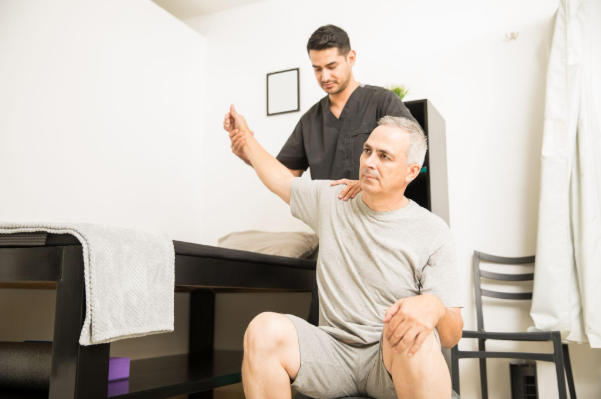
Initial care typically involves brief periods of rest and activity modification to avoid aggravating the joint. Applying cold or warm compresses helps soothe persistent aches. In addition, targeted physiotherapy plays a pivotal role in long-term healing. Guided exercises strengthen the surrounding shoulder muscles, allowing them to support the joint effectively and compensate for minor tendon weakness. In certain cases, corticosteroid injections may be recommended to provide temporary relief, making physical therapy sessions much more manageable.
When Is Surgery Necessary for Rotator Cuff Recovery?
When conservative care does not provide sufficient relief, or when dealing with a complete tendon tear, surgical intervention becomes a primary consideration. Persistent weakness, intense night pain, or difficulty performing routine movements often indicate that physical therapy alone may not suffice.
Modern surgical rotator cuff injury treatment is usually performed using keyhole techniques. During this minimally invasive procedure, small suture anchors are inserted into the upper arm bone. Stitches are then guided through the torn tendon to secure it firmly back in place. These tiny implants remain permanently in the bone without causing discomfort or requiring removal, allowing the tendon to heal securely over time.
How Long Does It Take to Regain Full Shoulder Function?
Full recovery after a rotator cuff injury requires patience, as tendons take time to heal and rebuild strength. While every individual heals at a unique pace, rehabilitation typically follows a structured timeline.
- Phase 1: Early Protection (Weeks 1 to 6)
- The shoulder is immobilised in a sling to protect the delicate repair or allow inflamed tissues to calm down. Gentle, passive range-of-motion exercises begin under professional guidance.
- Phase 2: Restoring Mobility (Weeks 6 to 12)
- The sling is removed, and active movements are gradually introduced to improve flexibility and rebuild basic shoulder mobility without overloading the tendon.
- Phase 3: Strengthening and Function (Months 3 to 6+)
- Targeted resistance exercises help rebuild shoulder strength and stability, gradually restoring the ability to perform sports and heavy daily tasks.
Why Should You Consult an Orthopaedic Shoulder Specialist Early?
Prompt medical evaluation prevents minor tendon fraying from developing into a severe, full-thickness tear. An experienced orthopaedic shoulder specialist can accurately assess the extent of damage using advanced diagnostic tools like MRI or ultrasound scans.
Early diagnosis allows for a tailored recovery strategy that aligns with your lifestyle and physical goals. Starting appropriate rotator cuff injury treatment early protects joint stability, minimises long-term stiffness, and ensures a safer, more predictable return to active living.
Restoring Strength and Moving Forward
Recovering from a rotator cuff injury takes time, dedication, and proper medical support, but full functionality is achievable with the right guidance. Whether through conservative rehabilitation or keyhole surgery, taking structured steps protects your long-term joint health. Reach out to Dr Bryan Tan to learn more about tailored treatment options for your shoulder health.