
Choosing the Right Surgical Staples for Optimal Outcomes: Minimizing Bleeding and Enhancing Speed of Recovery

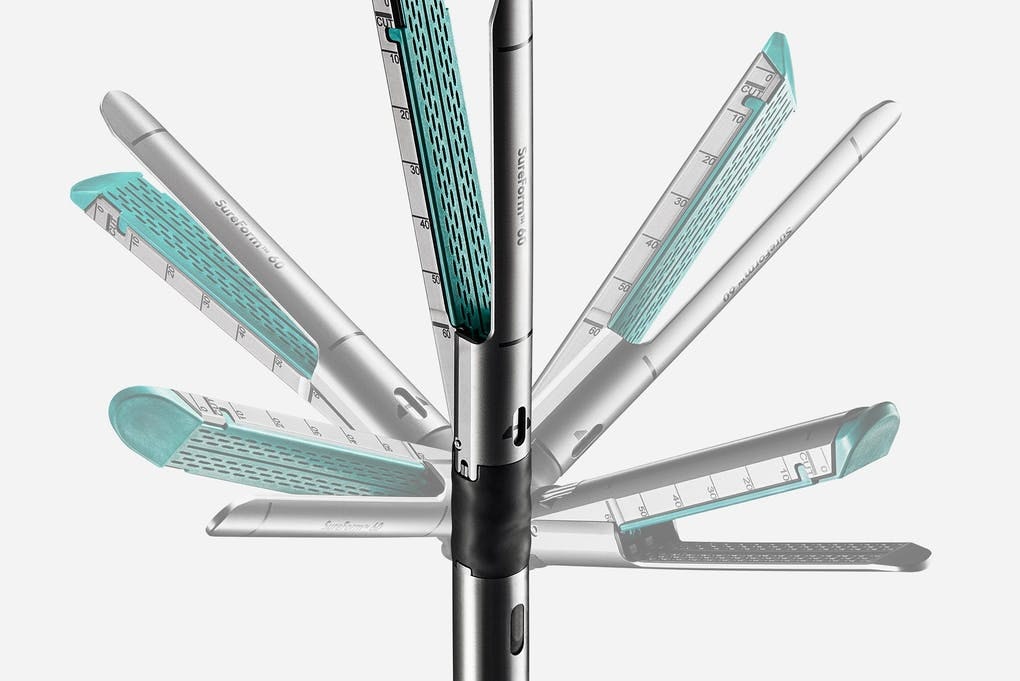
In modern surgery, selecting the right stapling solution can make a significant difference in clinical outcomes, including bleeding control and recovery time. When evaluating tools that promote hemostasis and rapid healing, identifying the Best stapler for less bleeding and faster recovery can improve surgical precision and patient safety. Likewise, choosing the Best stapler for thoracic surgery plays a critical role in procedures involving the chest cavity, where sensitive tissues and critical structures demand consistent performance and reliable closure.
This article explores how advanced stapling technologies support surgical goals, what features distinguish top staplers, and how surgeons can choose appropriate tools for specific clinical needs.
Why Stapling Technology Matters in Contemporary Surgery
Stapling technology has transformed how surgeons approach tissue closure and anastomosis in complex procedures. Compared to traditional suturing, staplers offer:
- Faster tissue approximation
- More uniform closure tension
- Reduced variability between operators
- Lower risk of manual errors
In specialized surgeries — such as those requiring minimal bleeding or chest procedures — the right stapling solution becomes even more essential.
Understanding Key Factors Behind Reduced Bleeding and Faster Recovery
Surgical bleeding and recovery time are influenced by:
- Precision of tissue compression
- Uniformity of staple formation
- Rapid and secure closure
- Minimized trauma to surrounding structures
Stapling tools designed specifically for these goals help surgeons complete procedures with fewer complications and quicker patient recovery.
Characteristics of the Best Stapler for Less Bleeding and Faster Recovery
When seeking a stapling device that supports minimal bleeding and enhanced recovery, several technical attributes are critical:
1. Consistent Staple Formation
Uniform staple height and shape ensure reliable tissue compression that limits bleeding and leakage — essential for optimal healing.
2. Controlled Tissue Compression
Pre-firing tissue compression aligns edges with minimal trauma, reducing bleeding and improving postoperative outcomes.
3. Smooth Firing Mechanism
A reliable firing system reduces tissue tear or slippage during use, contributing to cleaner closure.
4. Compatibility with Minimally Invasive Approaches
Devices designed for laparoscopic and robotic applications often result in smaller incisions, less pain, and faster recovery.
5. Ergonomic Design
Ease of handling supports accuracy and reduces fatigue, which can indirectly affect surgical performance.
Stapling Techniques That Support Reduced Bleeding
Staplers that help minimize bleeding often combine intelligent design with advanced tissue interaction mechanisms. These may include:
- Edge compression stabilization
Compressing tissue before firing allows blood vessels to constrict and reduces intraoperative bleeding. - Multi-row staples with precise spacing
Ensures secure closure without excessive pressure that could worsen trauma. - Integrated cutting and stapling
Simultaneous tissue division and sealing optimize speed and efficiency.
These features contribute to less bleeding and faster recovery, particularly in procedures where tissue stability is paramount.
Clinical Applications Where Minimal Bleeding Is Critical
Surgical contexts where reduced intraoperative bleeding significantly improves outcomes include:
- Gastrointestinal resections
- Bariatric procedures
- Hernia repairs
- Vascular surgeries
- Organ resections
In each of these, choosing a stapling solution engineered to support hemostasis and efficient closure can contribute to shorter hospital stays and fewer postoperative complications.
Understanding Thoracic Surgery and Stapling Requirements
Thoracic surgery includes procedures involving the lungs, esophagus, and chest wall. These operations demand high precision due to the proximity of vital structures and the need for airtight closure.
Key Criteria for the Best Stapler for Thoracic Surgery
The thoracic cavity presents unique challenges that affect stapler choice:
1. Airtight Sealing Capability
Proper closure of lung tissue and airways requires devices that consistently deliver secure, leak-proof staple lines.
2. Tissue-Specific Staple Profiles
Thoracic staplers must handle delicate lung tissue without causing trauma or tearing.
3. Adaptive Compression Control
Variable tissue density in thoracic procedures, from bronchial walls to pulmonary parenchyma, requires adaptive compression to minimize trauma.
4. Compatibility with Minimally Invasive Techniques
Video-assisted thoracoscopic surgery (VATS) and robotic approaches demand compact, maneuverable devices.
Common Thoracic Procedures That Benefit from Stapling Technology
1. Lobectomy
Removal of part of the lung requires secure closure of bronchial stumps and vascular branches.
2. Wedge Resection
Targeted removal of small lung sections benefits from precise closure to ensure airtight seals.
3. Esophagectomy
Reconstructive steps require consistent anastomosis to prevent leaks and infection.
In these contexts, selecting the Best stapler for thoracic surgery helps surgeons achieve effective closure with minimized complications.
Powered vs Manual Stapling in High-Demand Surgeries
Modern stapling technologies include both manual and powered options. Powered staplers offer advantages such as:
- Consistent firing force regardless of hand strength
- Reduced manual variability
- Better control of tissue compression
- Improved ergonomics
In procedures where bleeding control or precise thoracic closure is essential, powered solutions (when available) can contribute to more reliable staple formation and consistent outcomes.
Training and Skill Development for Stapling Excellence
Even the best staplers require skilled application. Effective training includes:
- Understanding how tissue thickness affects staple choice
- Proper positioning to avoid tissue tear
- Interpreting firing feedback indicators
- Mastering minimally invasive approaches
Surgeons and OR teams that train with specific devices see improved confidence and consistency in outcomes — especially for procedures demanding reduced bleeding and thoracic precision.
Quality Standards and Regulatory Compliance
All surgical stapling devices must meet rigorous standards:
- Biocompatible materials
- Sterilization validation
- Mechanical stress and fatigue testing
- Reliable firing performance
- Post-market surveillance
Adhering to these quality frameworks ensures safety and builds clinical trust.
Challenges in Selecting the Right Stapler
Despite advancements, challenges still exist:
- Cost considerations for high-end devices
- Learning curves with sophisticated systems
- Device selection complexity based on procedure type
- Integration with surgical workflows
Health systems can address these by aligning device choice with clinical outcomes and long-term value.
Emerging Trends in Stapling Technology
The future of stapling solutions continues to evolve with innovations like:
- Smart feedback systems that confirm complete firing
- Integration with robotic-assisted surgery platforms
- Advanced staple materials for optimized healing
- AI-supported surgical planning tools
These trends aim to further improve precision in surgeries requiring minimal bleeding and fast recovery.
Patient Benefits of Advanced Stapling Technologies
When the right device is chosen for specific needs, patients benefit through:
- Lower intraoperative blood loss
- Reduced operative time
- Minimized postoperative complications
- Faster mobility and diet resumption
- Shorter length of stay
These outcomes support better overall surgical experiences and long-term quality of life.
Conclusion
Choosing the appropriate stapling solution plays a critical role in surgical success. Identifying the Best stapler for less bleeding and faster recovery means prioritizing models that deliver uniform closure, controlled tissue compression, and dependable firing mechanics. Meanwhile, selecting the Best stapler for thoracic surgery requires attention to airtight sealing, delicate tissue handling, and instrument adaptability to complex anatomies.