

Recovering from a motor vehicle accident (MVA) can be a challenging and complex process. Injuries sustained during these accidents can vary widely, affecting physical, emotional, and psychological well-being. ICBC physiotherapy plays a crucial role in facilitating recovery and restoring functionality for those involved in MVAs. Understanding how physiotherapy contributes to the healing process can help individuals navigate their recovery effectively.
Alleviating Pain and Discomfort
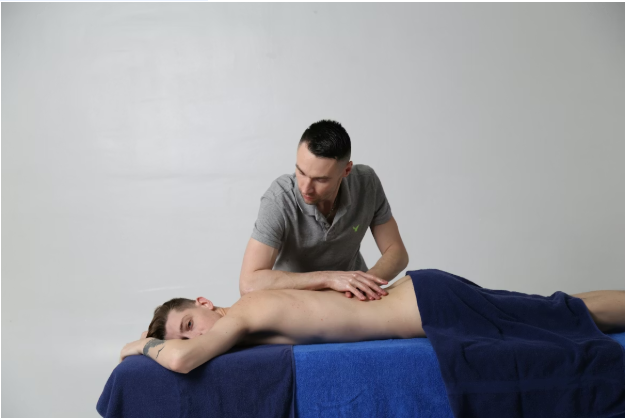
One of the primary objectives of ICBC physiotherapy is to alleviate pain and discomfort caused by injuries sustained in MVAs. Physiotherapists employ various techniques, such as manual therapy, ultrasound, and electrical modalities, to reduce pain levels.
By addressing these acute and chronic pain issues, physiotherapy helps individuals regain mobility and engage more comfortably in daily activities. Pain relief is often the first step in a successful recovery, allowing patients to focus on rehabilitation without the burden of constant discomfort.
Restoring Movement and Functionality
Post-accident recovery often involves restoring movement and functionality, which is another essential role of ICBC physiotherapy. Many individuals experience stiffness, swelling, and limited range of motion after an accident. Physiotherapists assess each patient’s condition and devise personalized exercise programs to improve mobility and strength.
This active rehabilitation not only aids in regaining lost functions but also helps prevent further injuries by reinforcing muscle stability and joint health. A focus on restoration ensures that patients can return to their pre-accident lifestyles as quickly as possible.
Addressing Emotional and Psychological Needs
The physical aftermath of a motor vehicle accident is often accompanied by emotional and psychological challenges. The trauma of an accident may lead to feelings of anxiety, depression, or post-traumatic stress. ICBC physiotherapy includes a holistic approach that involves addressing these emotional aspects alongside physical recovery.
Physiotherapists are trained to recognize signs of distress and refer clients to mental health professionals when necessary. By providing support and understanding, physiotherapy can help individuals navigate their emotional recovery, significantly contributing to a well-rounded healing process.
Educating Patients for Long-Term Wellness
Education is a fundamental aspect of ICBC physiotherapy. By informing patients about their injuries, recovery processes, and preventive measures, physiotherapists empower individuals to take charge of their health. Understanding the mechanics of their injuries can help patients be more compliant with their treatment plans and lifestyle changes.
This education often includes ergonomic advice, posture correction, and injury prevention strategies tailored to the unique needs of each patient. By equipping individuals with knowledge, physiotherapy fosters a culture of long-term wellness beyond the immediate recovery phase.
Facilitating a Comprehensive Rehabilitation Plan
An effective recovery from an MVA often requires a multidisciplinary approach involving various healthcare professionals. ICBC physiotherapy plays a pivotal role in coordinating treatment among therapists, physicians, and mental health professionals.
By creating a comprehensive rehabilitation plan that addresses all aspects of health—physical, emotional, and social—physiotherapists ensure that patients receive well-rounded care. This collaborative approach enhances recovery outcomes and encourages ongoing support, making the transition easier for individuals navigating multiple facets of healing.
Conclusion
In conclusion, ICBC physiotherapy serves a vital function in the recovery process following motor vehicle accidents. From alleviating pain to restoring functionality and providing emotional support, the contributions of physiotherapy are invaluable.
By focusing on holistic care and patient education, physiotherapists empower individuals to take an active role in their recovery, fostering resilience and long-term well-being. Understanding the role of physiotherapy can guide those affected by an MVA in maximizing their healing journey and returning to normal life.